🤖 Model 🖼️

m1guelpf/nsfw-filter
Detect NSFW content in images. Takes an image and returns a moderation result with nsfw_detected (boolean), a list of NS...
NSFW image detection models classify images as safe or unsafe for public display. They are used for content moderation on platforms, user-generated content filtering, and automated safety checks in image processing pipelines.
These models are essential for any platform that accepts user-uploaded images and needs to enforce content policies automatically.
Found 12 models (showing 1-12)
Detect NSFW content in images. Takes an image and returns a moderation result with nsfw_detected (boolean), a list of NS...

Detect NSFW content in images, returning a binary label ('normal' or 'nsfw'). Accepts a single image as input and output...
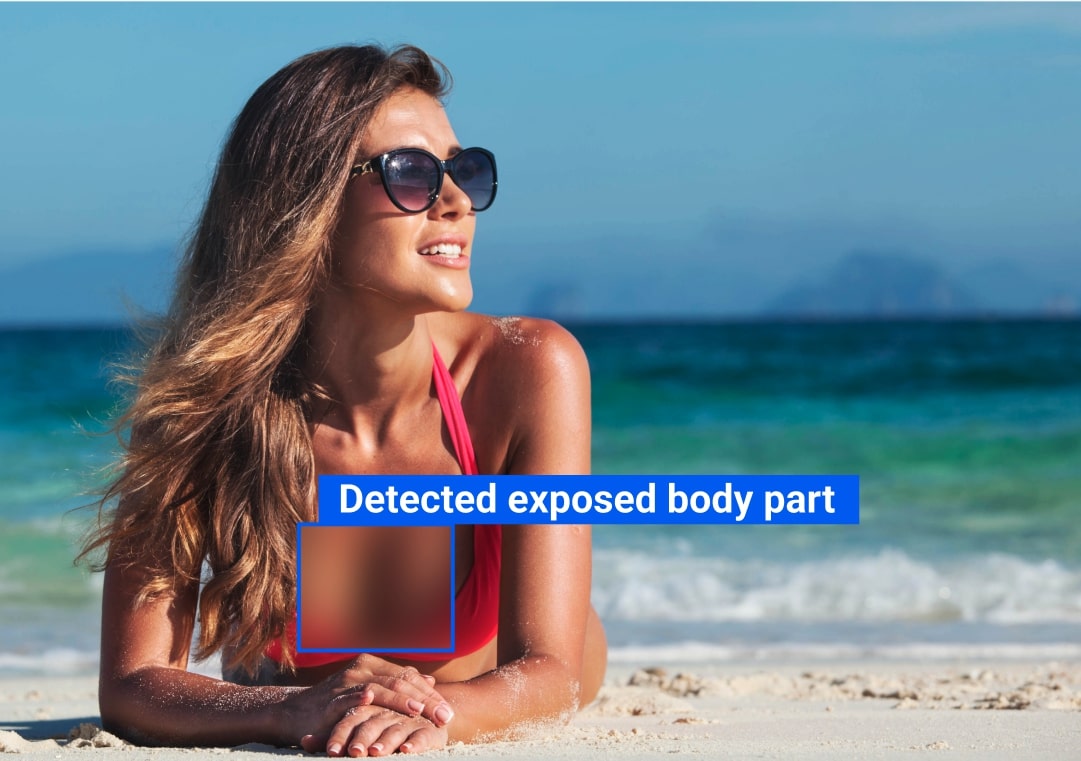
Detects inappropriate content in images including nudity, explicit content, hentai, violence, and other NSFW categories....

Analyzes images and text prompts to detect content policy violations including public figures, copyright concerns, and N...

Detect NSFW content in images and compare results across two classifiers. Takes an image input and returns JSON safety f...

Analyzes images for inappropriate content using MiniCPM-V-2.6 and returns structured safety assessments with detailed cl...

Classify images for policy violations across sexually_explicit, dangerous_content, and violence_gore categories. Takes a...

Classify the safety of multimodal inputs (image and user message) for content moderation. Accepts an image (required) an...

Detect NSFW content in images. Accepts an image and outputs a safety label indicating whether the content is safe or uns...

Moderate text prompts, model responses, and images for safety compliance. Accepts text with optional multiple images and...

Tag images with general, character, and rating labels from a single image input. Return a list of tags with confidence s...

Detects whether an image is synthetic (AI-generated) or real, and identifies which AI model was likely used to generate...
No detection model is perfect. Set your confidence thresholds based on your platform's risk tolerance — stricter thresholds catch more violations but also flag more false positives. For production systems, consider combining model output with human review for borderline cases.