🤖 Model
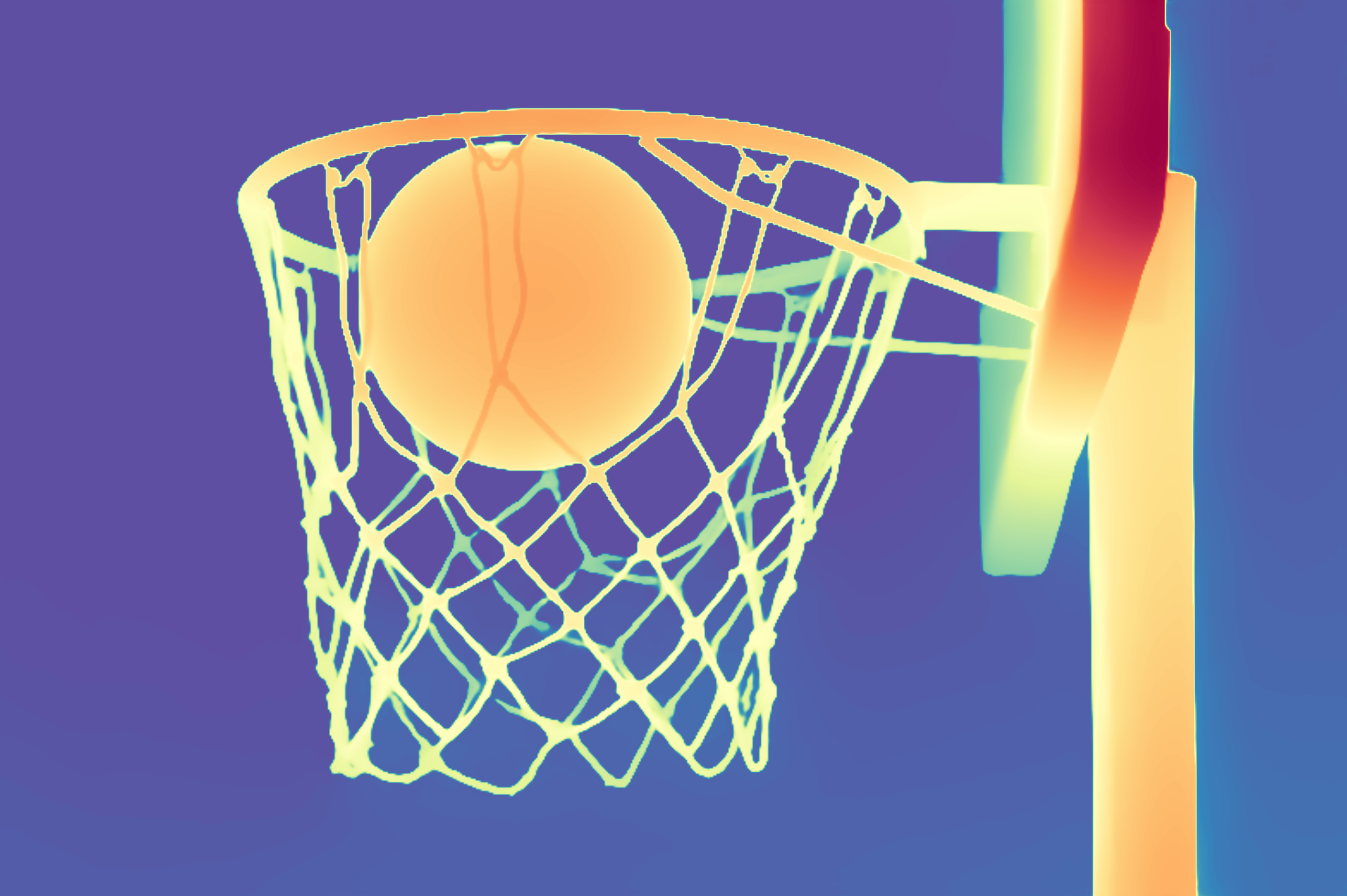
chenxwh/depth-anything-v2
Estimate monocular depth from a single image, returning colorized and grayscale depth maps. Choose Small, Base, or Large...
A depth estimation API takes a single 2D image and predicts how far every pixel is from the camera. It powers background blur, 3D parallax effects, AR occlusion, robotics perception, and depth-conditioned image generation (ControlNet-style workflows).
The fundamental split: relative depth models rank pixels (nearer vs farther), while metric depth models output real-world distances. Choosing wrong is the most common integration mistake.
For most visual-effects uses, start with chenxwh/depth-anything-v2 — the current-generation model, fast in example runs (~3s), with a model_size dial to trade speed against quality.
Use cjwbw/zoedepth (4.6M+ runs) when you need metric depth — actual distances, not just ordering. It combines relative and metric training, with a model_type input to pick indoor/outdoor-tuned checkpoints.
Use cjwbw/midas when you want the long-standing baseline that much of the depth ecosystem (including ControlNet preprocessing) was built around.
| Use case | What matters | Start with |
|---|---|---|
| Depth estimation API | Depth map from one image | Depth Anything V2 |
| Metric depth from single image | Real distances (meters) | ZoeDepth |
| Depth map for ControlNet | Relative depth conditioning image | MiDaS or Depth Anything V2 |
| Background blur / portrait mode | Nearer-vs-farther separation | Depth Anything V2 |
| 3D photo / parallax effect | Dense relative depth | Depth Anything V2 |
| AR / robotics distance sensing | Calibrated metric depth | ZoeDepth (right model_type) |
| Model | Runs on Replicate | Example speed | Depth type | Key control |
|---|---|---|---|---|
| chenxwh/depth-anything-v2 | 2.6M+ | ~3s | Relative | model_size (speed vs quality) |
| cjwbw/zoedepth | 4.6M+ | ~8s | Metric + relative | model_type (indoor / outdoor / mixed) |
| cjwbw/midas | 827K+ | ~4s | Relative | model_type (checkpoint variants) |
If your use case only needs to know what is in front of what — blur, parallax, depth-conditioned generation — relative depth is enough, and Depth Anything V2 is the modern default.
If your code does arithmetic on distances — "is this object within 2 meters?", AR occlusion, measurement — you need metric depth, and ZoeDepth is the purpose-built option. Its model_type matters: indoor-trained checkpoints mis-scale outdoor scenes and vice versa, so match it to your environment (or use the mixed variant).
All three are single-image models: they infer depth from visual cues, so accuracy varies with scene familiarity. Mirrors, glass, and unusual scales remain hard for every monocular model.
Estimate monocular depth from a single image, returning colorized and grayscale depth maps. Choose Small, Base, or Large...
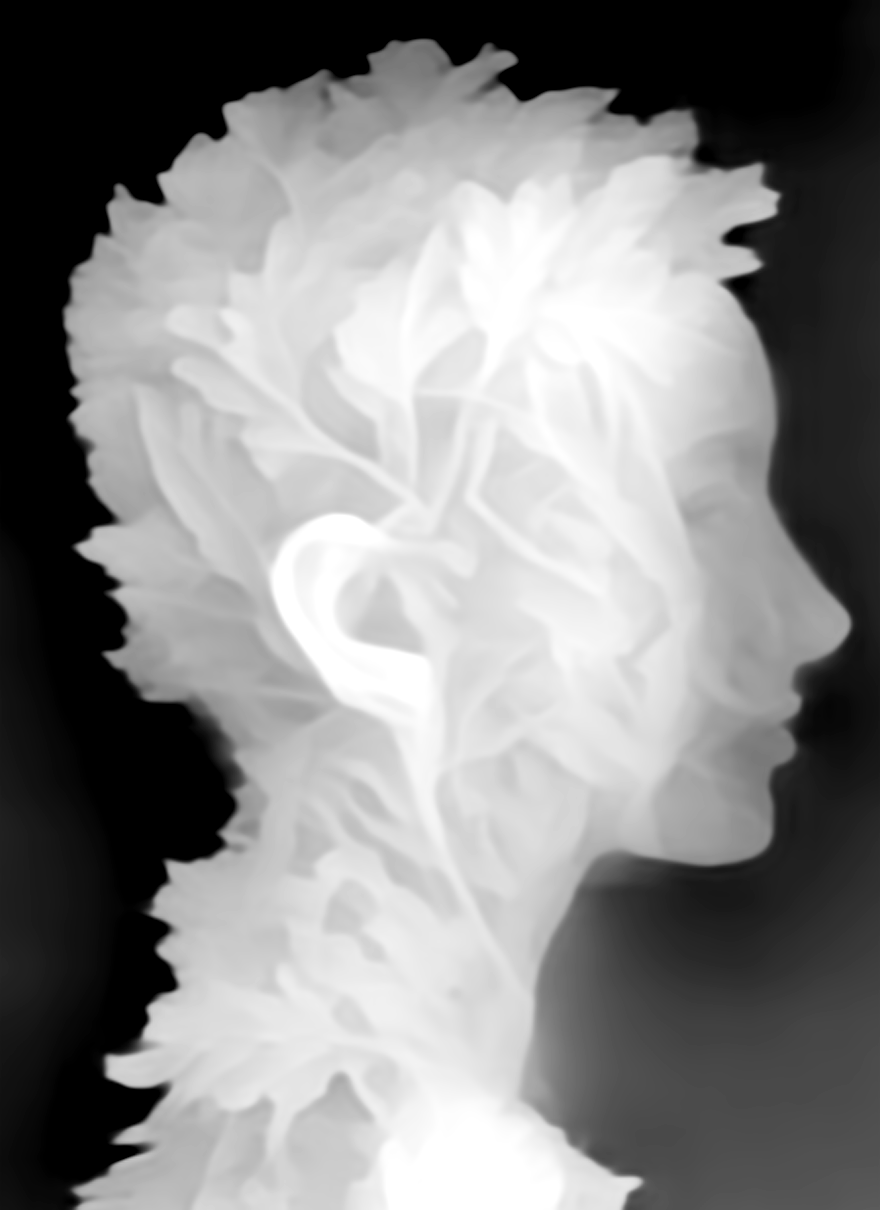
ZoeDepth estimates depth from a single image without needing stereo pairs or depth sensors. It produces metric (absolute...
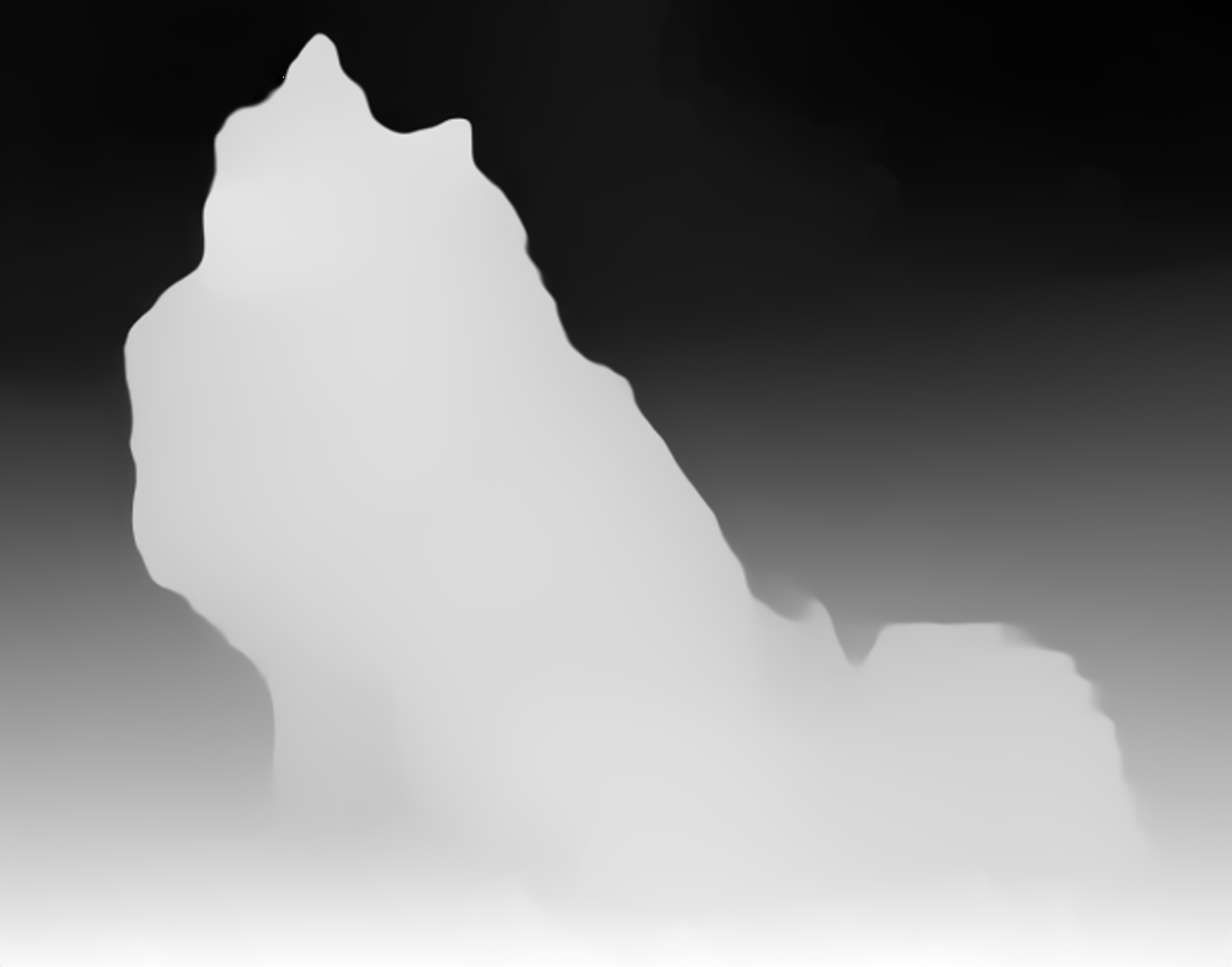
Estimate per-pixel depth from a single image and return a dense grayscale relative depth map. Leverage MiDaS with DPT ba...
Default to Depth Anything V2 for effects and conditioning workflows — newest architecture, fastest example runtime, quality dial. Switch to ZoeDepth the moment real distances enter the requirements, and pick its model_type to match indoor vs outdoor scenes. Keep MiDaS in mind for ecosystem compatibility where a pipeline expects MiDaS-style output.
Relative depth ranks pixels by distance without units; metric depth outputs real-world distances. Effects need relative; measurement, AR, and robotics need metric.
For relative depth, Depth Anything V2 is the current-generation pick. For metric depth, ZoeDepth — provided its model_type matches your scene (indoor vs outdoor).
Yes — all three models are monocular: one image in, dense depth map out. No stereo pair or LiDAR required.
MiDaS-style relative depth is the classic ControlNet conditioning input; Depth Anything V2 output works in the same role with better quality.